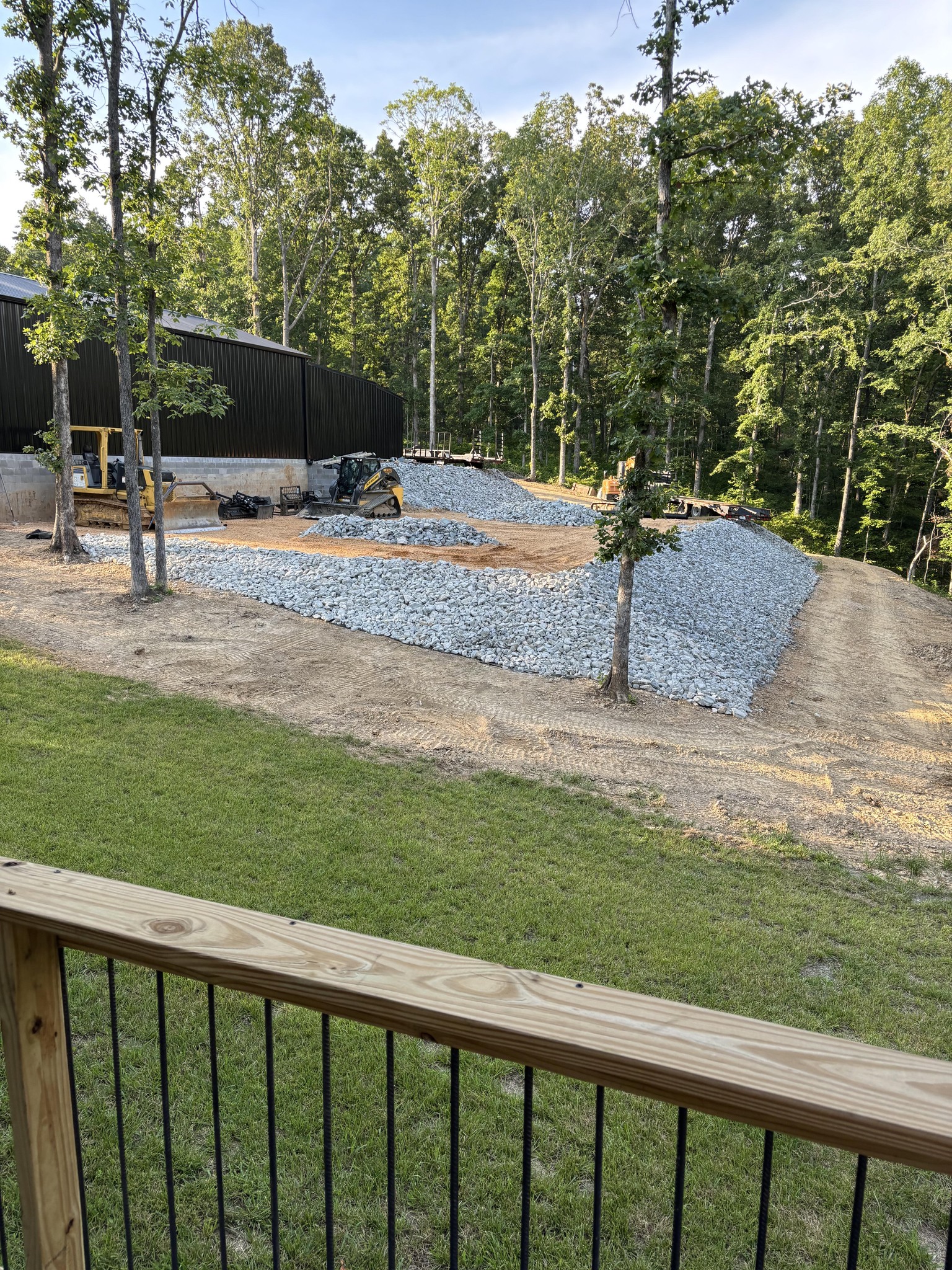
Eco-Friendly Land Clearing Techniques You Should Know Apr 14, 2026
One of the most environmentally friendly methods we utilize is selective clearing. This approach involves carefully planning which trees and plants are to be removed and which are to remain intact. By selectively clearing vegetation, we minimize the impact on the surrounding habitat, preserving biodiversity and allowing beneficial native plants to thrive. Selective clearing is especially useful in areas where maintaining ecological balance is crucial.
Another sustainable technique is mulching, a process that turns unwanted vegetation into beneficial organic material. By using specialized equipment to grind the cleared vegetation, we create mulch that can be spread back onto the land. This mulch acts as a natural weed suppressant, retains soil moisture, and adds organic matter back into the soil, enhancing its fertility. Mulching not only reduces waste but also recycles natural materials to support new plant growth.
Manual clearing is another essential method in our eco-friendly arsenal. This technique involves the physical removal of unwanted plants and trees without the use of heavy machinery, making it ideal for delicate ecosystems. Although labor-intensive, manual clearing is perfect for protecting soil structure and minimizing disturbance to surrounding flora and fauna. It allows for precise clearing in areas where heavy equipment might not be suitable due to environmental concerns.
When machinery is used, we favor equipment fitted with advanced technologies to lessen environmental impact. Using low-impact track machinery helps distribute weight more evenly across the ground, reducing soil compaction and damage to root systems. This technology ensures that while we are efficient in our land-clearing operations, we are also mindful of the earth beneath us.
We also emphasize the importance of erosion control in our land-clearing projects. Implementing practices such as silt fences, straw wattles, and water diversion techniques prevent soil erosion, thus safeguarding water quality in nearby streams and rivers. Effective erosion control measures are essential, especially when land clearing occurs near water bodies or on sloped terrain, to prevent sediment run-off and protect aquatic ecosystems.
At D&J Land Works, we advocate for strategic reforestation after land-clearing operations where applicable. Replanting native species not only rehabilitates the land but also encourages a thriving ecosystem. The introduction of flora that is naturally suited to local conditions helps in restoring wildlife habitats and contributes significantly to carbon sequestration efforts, playing a part in the fight against climate change.
Understanding these eco-friendly land clearing techniques can help you make choices that support both your project goals and the health of our planet. At D&J Land Works, we are dedicated to adopting sustainable practices that lower environmental footprints and add value to your land-clearing projects. By prioritizing the environment, we ensure that progress does not come at the expense of the natural resources we strive to protect. Your commitment to eco-friendly land clearing is a step toward a sustainable future for all.
/filters:no_upscale()/filters:format(webp)/media/5f169245-26ba-4026-9b62-e0088d664db9.jpeg)